
Kauaʻi’s First Polynesian Settlers: Resilience and Ingenuity
August 08, 2024
Kauaʻi’s First Polynesian Settlers: Resilience and Ingenuity
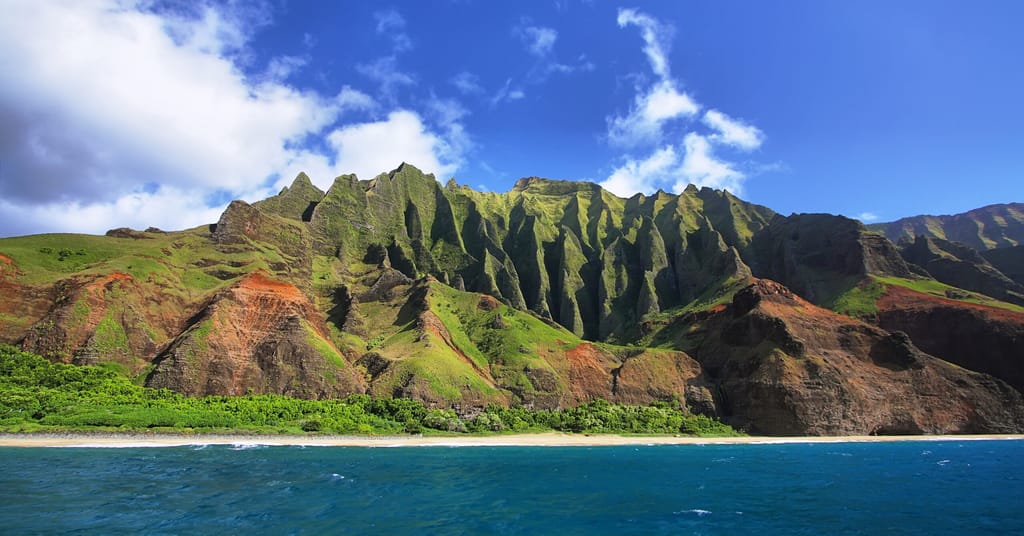
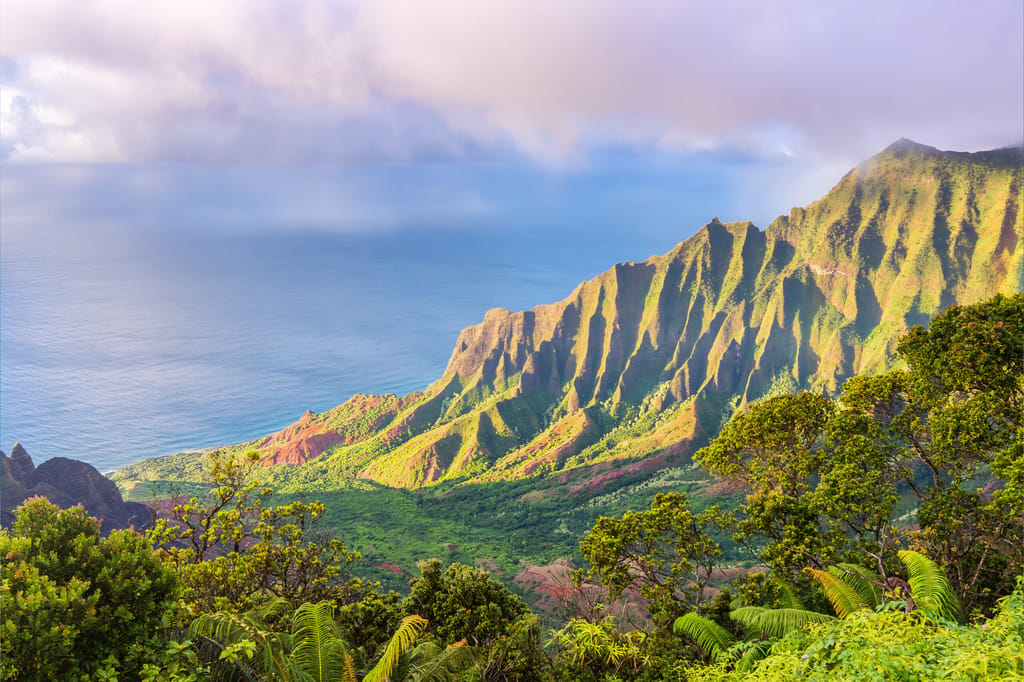
Imagine traversing over 2,000 miles of open Pacific Ocean in outrigger canoes using only the patterns of stars, migratory birds, ocean currents, rainbows, and whales to guide your path. Suddenly, across the horizon, you see the dramatic peaks of Nāpali piercing the sky like verdant temple spires. A new world awaits – but first, you must ensure your people can thrive on this mysterious and unknown island.
Canoe Plants: The Essentials of Life on Kauaʻi
When the first Polynesian settlers landed on the shores of Kauaʻi almost 2,000 years ago, they found a lush, fertile land teeming with possibilities. They began to cultivate the land near the valleys and shorelines of the Nāpali Coast, planting essential crops like kalo (taro), noni, and ulu (breadfruit) – species known as “canoe plants,” as they were what the voyagers brought with them on their canoe journey.
Canoe plants were crucial for the settlers’ survival and the development of new territories, providing food, medicine, and materials for constructing shelters and making clothing. Kalo, revered both as a staple food and a spiritual symbol, was believed to be the ancestor of the Hawaiian people. Ulu served as a critical source of carbohydrates. Noni was valued for its healing properties.
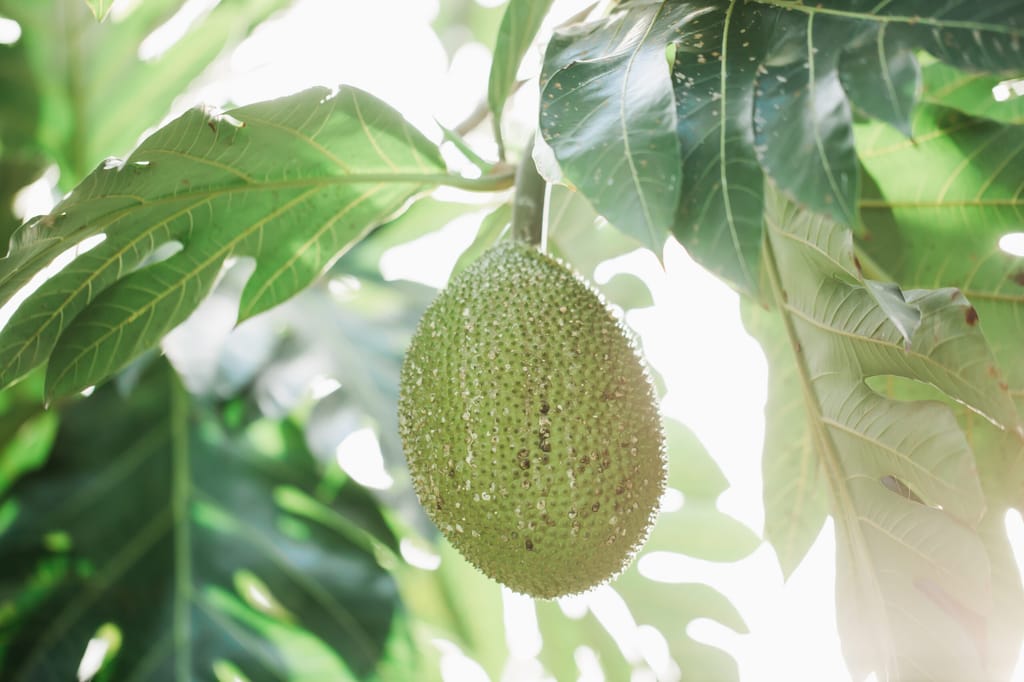
Today, The Farm at Hōkūala continues to grow traditional Hawaiian canoe plants, preserving a vital link to the island’s ancient heritage and honoring the resourcefulness of the first settlers.
Mastery of Resources
The first settlers encountered a rich natural world, with approximately 1,300 native flowering plant species. They coexisted with the ʻŌpeʻapeʻa (Hawaiian honary bat) and the ‘īlio holo i ka uaua (Hawaiian monk seal), the only two mammals native to Kauaʻi and both currently endangered. Honu (green sea turtle) were abundant in the coastal waters, and numerous bird species filled the skies. However, it is estimated that over 1,000 species have disappeared since this original human settlement.
The early settlers of Kauaʻi quickly demonstrated ingenuity in managing their new environment. They constructed advanced irrigation systems to channel water from streams to their crops, ensuring a consistent food supply. Their fishing practices were equally sophisticated. Evidence from the South Shore of Kauaʻi reveals fishing camps where early Hawaiians built heiau (temples) to seek the gods’ favor for bountiful catches.
Cultural Transformation
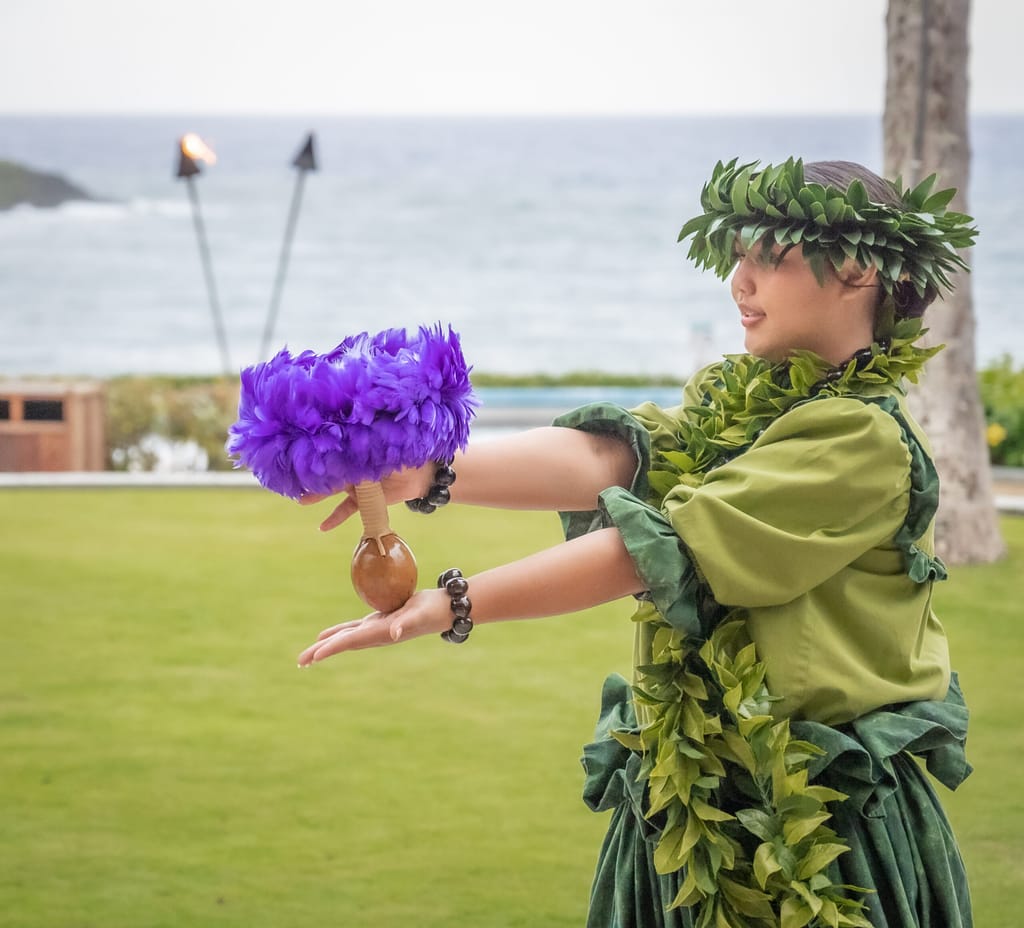
As they adapted to their new home, the early settlers developed a thriving culture. Centuries later, the arrival of Tahitians brought significant changes. The Tahitians introduced their deities and built heiau (temples) along an arc starting at the Wailua River, extending up to Waiʻaleʻale, and down to the West Side of Kauaʻi. The Wailua region became sacred, attracting royals from other islands who came to give birth at Holoholoku, the revered birthplace of chiefs.
Uncovering History
Today, the iwi (remains) of these ancient settlers lie buried in caves and along Kauaʻi’s shores, preserving their legacy. Archaeological discoveries continue to unveil new details of their lives. Recent excavations on the South Shore of Kauaʻi have revealed their advanced fishing techniques, such as using cowry shells to attract octopuses, crafting fish hooks from bone, and cutting tools from basalt flakes.
These discoveries deepen our understanding of Kauaʻi’s early history. The resilience, ingenuity, and deep connection to the land of these first Polynesian settlers continue to resonate today. Modern visitors to Kauaʻi walk in the footsteps of these ancient voyagers, whose legacy of exploration and adaptation remains a powerful inspiration.